
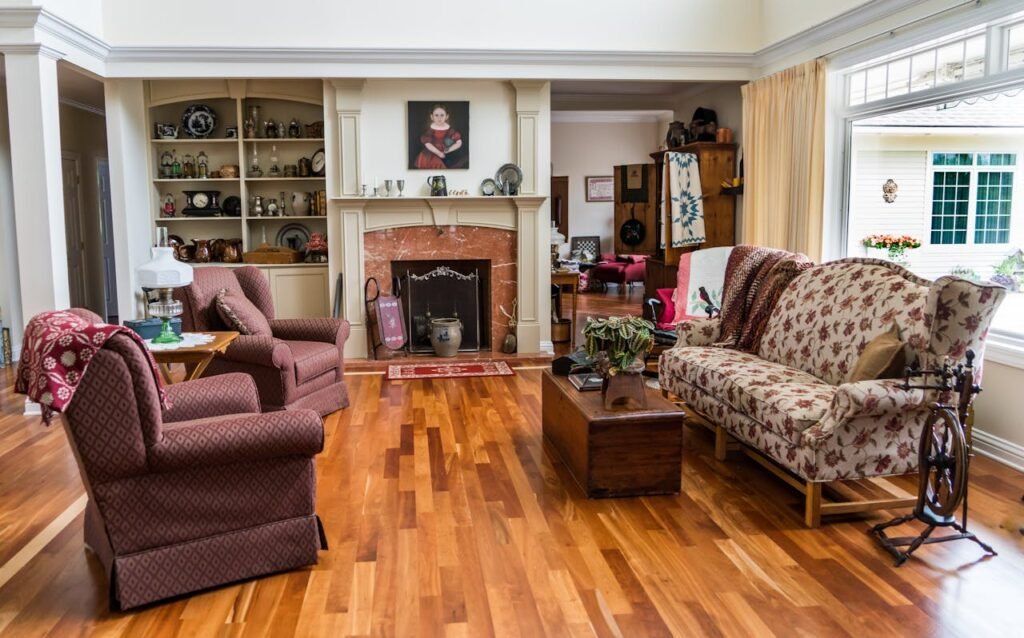
Homes built before 1980 often have great character, but they come with a few surprises under the floors. Whether you are dealing with older building materials or unexpected repairs, planning a wood flooring install in these houses takes a different approach than working with newer construction. From uneven layers and creaky corners to moisture-prone subfloors, there is usually more prep involved than people expect. A solid flooring project in an older home starts with understanding what you are working with. Getting it right does not mean rushing, it means taking an extra moment to plan carefully so the installation lasts.
Know What You’re Working With
Before anything new goes in, we need to figure out what is already under the surface. Some homes have multiple layers of past flooring materials like glued-down vinyl, old carpet padding, or brittle tiles. Each one adds a wrinkle to removal and prep.
- Take time to inspect the subfloor. In homes from the 70s or earlier, it might be wood planks, plywood, or in some cases, concrete. Each needs different prep work.
- Look for adhesive residue, water damage, and loose areas, anything that could cause issues later.
- Keep in mind that floor plans from older homes often have less open space and more walls, which can change what materials make sense logistically and visually.
Older layouts may also make transitions between rooms trickier. Not everything runs in a straight line.
Prep the Space for Better Results
This is where taking shortcuts can come back to bite later. We always want to start with a clean, level foundation for any wood flooring install. In older homes, that means getting under the surface and checking conditions all the way through.
- Lift out the old flooring completely, do not just layer over it. That way, we can address squeaky boards and soft spots underneath.
- Watch for signs of earlier water damage like warped corners or musty smells. Even dry areas may need extra sealing from past exposure.
- Use a straight edge to check for sloping or dipping zones. Some subfloors just need shims, but others may call for re-securing the base or using a leveling compound.
Proper prep keeps boards from shifting or developing hollow sounds later, especially in high-traffic areas.
Pick the Right Wood and Installation Method
Choosing the right type of wood goes beyond appearance. We look at how the materials will interact with the space, structure, and age of the home, especially across varied room conditions.
- Engineered wood tends to handle older home conditions better than some solid options, since it can be more stable across temperature and moisture swings.
- Glue-down installations can work well for concrete subfloors from previous renovations, while nail-down is better for raised wood subfloors, if they are still in good shape.
- A floating floor may be a good fit in homes where the subfloor is too thin or flaky for nails and full glue coverage, especially in Orange County’s mild but sometimes humid climate.
Humidity, airflow, and how the house settles all factor into what installation method makes the best long-term sense.
California Flooring Service, Inc provides expert wood and engineered wood floor installation across Irvine and the wider Orange County area. We offer a range of wood flooring styles and custom finishes tailored to both modern and historic residential spaces.
Tackle Common Issues in Older Homes
Once installation starts, a few quirks tend to show up. That is just how things go with older builds.
- Watch for slight height differences between rooms. Older homes often had different materials in each space which means the new wood floor may need a small ramp or transition to blend in cleanly.
- Baseboards, quarter rounds, and door trim might be harder to match if they are no longer made. We usually suggest keeping original pieces if they are in good shape and working around them.
- Built-in cabinets, room dividers, or fixed heating vents can slow down the process. Plan extra time for cutting and fitting boards around these fixed features.
Sometimes patience is the most useful tool to bring to these types of jobs.
Finish Strong: What to Expect Post-Install
Once installation wraps, the job is not totally done. Wood needs a little time to adjust, especially in older houses where indoor temperatures might vary more than in newer homes.
- Try not to move large furniture in right away. Give the boards a stretch of time to settle and take to the room’s conditions.
- Keep indoor humidity and temperature steady for the first few weeks, using fans or open windows when needed.
- Check edges and corners for any early signs of movement. Some minor shifting can be normal, but lifting or buckling should get looked at sooner than later.
Care right after install plays a big part in how the floors look and feel six months down the line.
Restoring Older Homes with Quality Craftsmanship
Installing wood flooring in homes built before 1980 takes a little more thought, but the results are worth it when the floor fits the home rather than fighting it. Every layer, from the first piece of removed carpet to the last finished plank, plays a role in that final look.
Our team at California Flooring Service, Inc delivers precise, high-quality installation with specific care for subfloors and layout concerns often found in historic houses. From custom design consultations to thorough moisture-barrier strategies, we help protect your investment and bring durable beauty to even the most challenging spaces.
Older homes can present unique challenges during renovations, but we know how to enhance what is already there rather than work against it. With the right blend of careful preparation, quality materials, and attention to detail, a properly planned wood flooring install can seamlessly complement your home’s character. At California Flooring Service, Inc, we make it our mission to ensure your new floors are designed to stand the test of time. Reach out to us today to discuss your next project.