
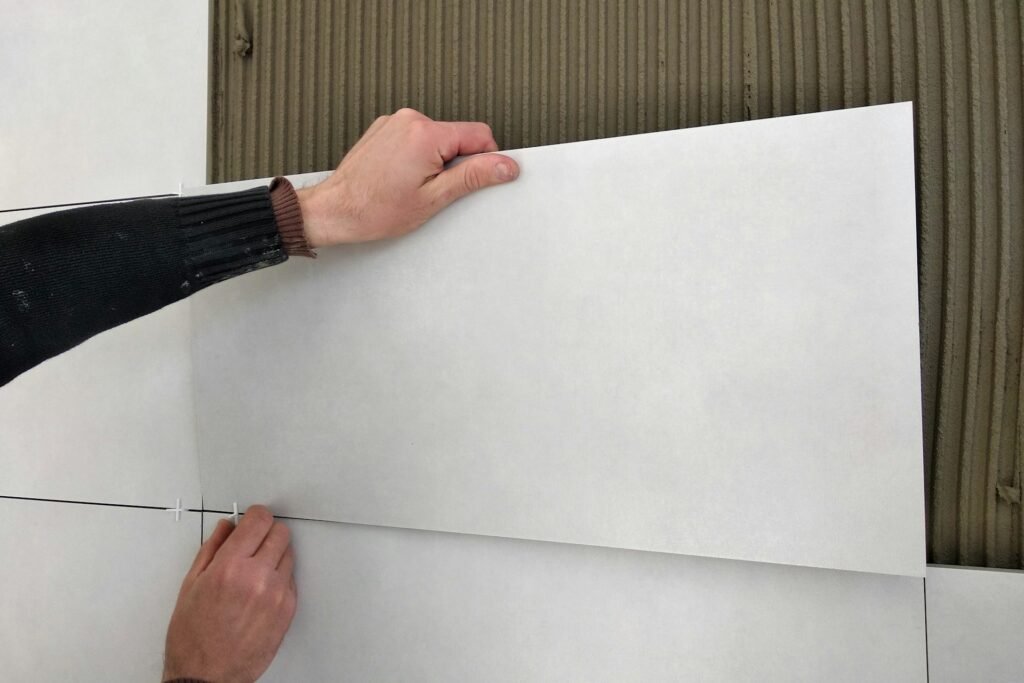
As spring kicks into gear, a lot of us start looking at ways to freshen up our outdoor spaces. Patios, walkways, and pool decks all become key hangout spots again, and tile installation can play a big role in getting everything ready. Installing tile outside may seem pretty straightforward, but the truth is, outdoor conditions add a few twists that indoor jobs do not.
The weather, surface conditions, and choice of materials all influence how well that tile holds up, not just during spring, but over the long stretch of warmer months ahead. Planning early in the season is your best shot at beating the peak heat and avoiding problems that show up when the summer sun makes everything a little more intense.
Choosing the Right Tile for Outdoor Use
Outdoor tile needs more than good looks. It has to handle moisture, temperature swings, and regular foot traffic without cracking, slipping, or fading too fast.
- Porcelain tile is one of the most common choices because it is dense and low in water absorption. That makes it good for dealing with spring rains and the occasional puddle.
- Natural stone can work well too if it is sealed properly. Some varieties, like slate or quartzite, tend to stay cooler underfoot and offer more grip.
- Ceramic tile, while great indoors, can be hit or miss outside. It is more porous and may not hold up as well in spaces with direct water or hot sun.
No matter which tile you pick, it should have a slip-resistant finish and enough thickness to handle outdoor conditions, especially in high-use spaces like pool surrounds or garden walkways. Lighter shades can also help reflect heat, which keeps surfaces a little cooler as the weather warms.
California Flooring Service, Inc offers a wide range of porcelain and non-slip outdoor tiles selected for strength, sun resistance, and superior performance in patios and pool areas. Our team can help guide your selection based on both your functional needs and the specific seasonal conditions in Orange County.
Prepping the Surface Before You Start
A successful outdoor tile job starts with proper surface prep. Without it, tiles can shift, crack, or come loose far too easily.
- Surfaces need to be clean, dry, and as flat as possible. Even a few high or low spots can mess with tile placement and water drainage.
- Concrete slabs might need patching or grinding before tile can be laid. Decks may need added bracing or a moisture barrier. Dirt or bare ground should never be tiled over without stabilization first.
- Watch for signs of pooling water or uneven slope. If water does not drain away from the area after a rain, you will likely have trouble down the road.
The base you start with is just as important as the tile that goes on top. Rushing this part often leads to early failures, especially once spring weather brings shifts in ground moisture. Taking the time to double-check for evenness, moisture problems, or weak spots can help tiles last far longer. If your outdoor space has seen a lot of past use or repairs, it is worth having a professional take a look at the whole area before moving forward. It is better to catch and address any challenge under the surface than to face loose tiles or cracks a few months after installation is finished.
Managing Spring Weather and Setting Materials
Spring can be unpredictable. Warm one week, damp and cool the next. Those changes can affect how tile adhesives cure and set.
- Timing matters. Plan installation for a stretch of dry days with stable temperatures. Rain or even cool nights can slow curing or lead to weak bonds under the tile.
- Outdoor-rated products, such as thinset mortar and grout, are designed to hold up better in early spring conditions. These materials resist moisture and bond more reliably, even if the weather is not perfect.
- Grout should also match the conditions. Some outdoor areas might benefit from flexible or sanded grout that allows for slight movement without cracking.
We always keep an eye on the forecast and give materials the time they need to dry thoroughly. Spring has shorter days and cooler mornings, which means extra curing time is usually a good idea. It is better to schedule a project around a favorable weather window than to try and rush the job when weather shifts quickly. Even something as simple as overnight temperature dips can change how tile and adhesives react, so checking forecasts and picking the right day can make a big difference. If a sudden rainstorm threatens to slow down the drying process or cause issues, it is smart to have a plan for keeping surfaces covered and protected until everything sets.
Working With Expansion and Drainage in Mind
Hard surfaces do not bend. That is why it is important to build in space for movement and make sure water has somewhere to go.
- Always leave proper gaps between tiles and at the edges. These movement joints let the tile flex slightly with temperature changes, which helps prevent buckling or cracks.
- Sloping is key. Even a slight tilt in the surface will keep water from pooling on top of the tile. Without it, grout lines can get stained and tiles may loosen over time.
- Edge materials like trim pieces or finishing strips can protect corners and prevent chipping where tile meets softer surfaces or steps.
Outdoor tile gets pushed and pulled by the elements all season long. Planning ahead for how those forces work helps keep that surface looking and functioning the way it should. When considering drainage, take note of where water flows after a heavy rain and if your patio or pool area tends to collect puddles in any specific spot. That extra awareness can help shape how tile is laid out, where slopes are built in, and how you plan expansion gaps. Paying close attention to these small construction details is what keeps outdoor installations from showing problems when summer heat arrives.
Keeping Outdoor Tile Looking Good Season After Season
Once the tile is in, keeping it in good shape does not take much, just steady upkeep and watching for early signs of wear.
- Sealing is a smart step, especially with natural stone or porous grout. It blocks water, reduces fading, and helps hold off staining from things like leaves or spills.
- A light clean in early spring with pH-balanced soap and a soft brush can knock off winter dust and mildew. Just skip anything too harsh that might strip sealant or damage the tile’s finish.
- Check for signs like loose tiles, shrinking grout, or minor cracks. These small repairs are much easier to handle early on before they grow into bigger issues during summer heat and foot traffic.
With the right materials and care, outdoor tile can last for years. Getting into a routine as part of spring yard prep makes a big difference. It is helpful to set a seasonal schedule for cleaning, sealing, and looking over grout lines. Noticing small problems early on, such as lighter grout lines or a tile that wiggles a little, means quick fixes can be made before foot traffic or sun causes further wear. If you entertain often or have family using the pool regularly, a quick spring check makes it easier to keep everything looking as good as it did at installation.
Build a Spring Space That Holds Up
Outdoor tile is more than a design upgrade. It works best when everything is planned around the environment it sits in. Every choice, the tile, the prep, the timing, plays a role in how long the installation will last and how good it looks after a full season of use.
This time of year is ideal for getting ahead of the summer rush. Working with early spring moisture, shiftable ground, and fast weather changes is easier when you know what to expect. A solid tile installation does not just survive the season. It gives your space a clean, stable surface for plenty of spring days out in the yard.
Spring is the perfect season to refresh your patio, walkway, or pool area before the warmer weather arrives and appointments fill up. We help homeowners choose materials that withstand sun and changing weather while maintaining curb appeal in every outdoor space. A well-executed tile installation can handle frequent use and unpredictable spring conditions without cracking or fading. At California Flooring Service, Inc, we take pride in getting your project right the first time. Call our team today to discuss your outdoor upgrade before the schedule fills up.