
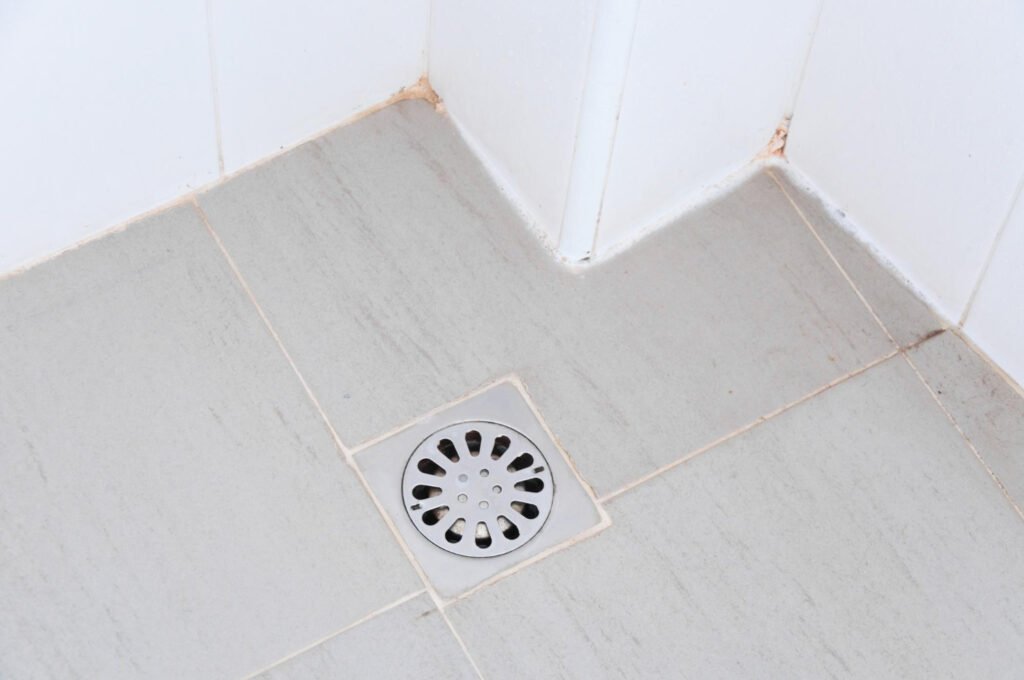
When the bathroom floor doesn’t drain properly, it turns an everyday routine into a real annoyance. Whether it’s water flowing the wrong way or puddles that stick around too long, poor drainage doesn’t just look bad. It also makes the bathroom harder to clean and use. Over time, these problems make a floor feel damp, messy, or sometimes unsafe, especially for families with kids or older adults. If it feels like the water is always sitting in the same spot, your floor is trying to tell you something isn’t right.
One common scenario is stepping out of the shower and noticing that the water isn’t sliding into the drain like it should. Instead, it pools in a corner or lingers around your feet. That standing water might seem harmless at first, but it wears down tile and grout faster, encourages mold growth, and creates slippery spots you don’t want anyone stepping on. Most of the time, these drainage problems are caused by things hidden under the surface or mistakes made during installation that slowly start to show up.
Identifying Common Bathroom Floor Drainage Problems
A bathroom floor should always be sloped enough for water to slide into the drain without effort. If it doesn’t, chances are something’s off. The most common issues include clogged drains, uneven floor slopes, and poor drain placement. The tricky part is many of these warning signs look the same on the surface, but each issue needs a different solution.
Here are a few reasons bathroom drainage starts acting up:
– Clogged or blocked drainpipes – Hair, soap scum, and debris pile up and narrow the opening. This cuts down how much water can drain at a time. A slow-draining floor is often the first clue.
– Bad slope under the tile – If the floor wasn’t angled correctly during installation, water won’t move toward the drain. Instead, it might stay in spots far from the drain or even slide back toward walls.
– Loose, worn, or missing grout and sealant – Cracked grout lines let water seep underneath the tile. This hidden moisture builds up, slows drainage, and leads to damage you won’t see until the tile starts shifting or breaking.
– Improper drain location – Sometimes the drain isn’t placed where water can get to it easily. In larger or oddly shaped bathrooms, a single drain in the wrong place won’t clear water fast enough.
Each of these issues affects the comfort, appearance, and overall feel of your bathroom. Constant dampness, moldy smells, and loose tiles are all red flags. What starts as a few extra minutes drying the floor can turn into a full-blown repair project if ignored.
Preventative Measures to Avoid Drainage Issues
The best way to avoid drainage problems is to prevent them from forming in the first place. That starts with smart design, reliable materials, and regular upkeep. Drainage isn’t just a plumbing detail—it’s a key part of making a bathroom work well day after day.
Some steps that help reduce the chance of long-term issues include:
1. Plan the slope before tile installation. The floor should slope gently toward the drain. If it’s too flat, water sticks around. If the slope sends water away from the drain, puddles will form in unwanted spots. Getting the slope right is tricky and best handled by experienced pros.
2. Use the right kind of drain and place it in the right spot. Linear drains work well in large or open showers, while small bathrooms might only need one centered drain. Sometimes more than one is needed depending on layout.
3. Keep the drain clear with regular maintenance. Removing trapped hair, buildup, and debris every few weeks helps keep the water moving freely.
4. Look for early trouble signs. Loose grout, damp corners, and shifting tiles can all signal a slope or sealant issue. Addressing them early can prevent water damage.
5. Hire professional help for tile installation. Picking the color or size of tile is just one step. Making sure it’s installed correctly around drainage points is what really makes the floor last.
Getting everything right from the start goes a long way toward keeping the bathroom fully usable. A floor that’s built with drainage in mind not only looks better but also handles day-to-day moisture without problems.
Effective Solutions For Existing Drainage Problems
If drainage problems have already started, don’t wait too long to look into the cause. Some issues are quick fixes while others might require replacing materials altogether. Either way, understanding what’s going wrong is the first important step.
If clogged drains seem to be the issue, clear the area beneath the cover using a basic drain snake or hair snare tool. Soap scum and debris often get lodged in the upper part of the pipe. Avoid pouring harsh chemicals into the drain as they might damage nearby grout or inner pipe walls. If clogs keep coming back, it usually means there’s a deeper plumbing issue that needs attention.
If water remains in one spot after every use, or pools near the corners instead of flowing toward the drain, the floor slope likely needs correction. In more extreme cases, you may even see water flowing toward the shower door or bathroom threshold. These layout mistakes usually can’t be solved without rebuilding the slope and reinstalling parts of the floor.
Strong signs that tell you it’s time to bring in pros include:
– Water doesn’t reach the drain and stays in unwanted areas
– There’s water build-up beneath tiles or behind walls
– Cracking or mold is visible around grout lines
– You’ve already cleared clogs but drainage problems remain
– Drain placement doesn’t match the bathroom layout or size
Fixing slope problems and redoing drain placements often requires pulling up tile and redoing part of the underlying structure. A professional can evaluate if the full area needs reconstruction or if smaller fixes can solve the issue. Either way, the goal is to give water a clear path and protect the floor from soaking up moisture it’s not meant to handle.
Tips For Maintaining a Functional Bathroom Floor Drain
Once things are draining like they should, keeping them that way is all about consistency. Even small habits can make a difference in how well things hold up over time.
Here are a few simple and helpful maintenance tips:
1. Keep drains clear. Remove hair traps regularly and flush buildup with warm water if needed. Bathrooms with more users may need cleaning more often.
2. Inspect grout and floor edges once a month. Cracked, loose, or discolored areas should be cleaned and sealed quickly to stop leaks from forming below the surface.
3. Watch for changing water behavior. If water starts puddling in new places or drains slower than before, something might be shifting and needs attention.
4. Use a squeegee after each use. Pushing leftover water toward the drain helps reduce buildup and slows down wear on grout and tile.
5. Schedule a yearly check with a flooring or plumbing expert. A quick inspection can catch signs of drainage or structural wear before they turn into larger problems.
One client in Orange County once noticed gurgling noises every time they used heavy cleaner. At first it just seemed odd, but it turned out there was a partial clog creating backflow. They caught it early and cleared the problem before it caused leaky tiles or floor lifting. These are the kinds of small wins that come from steady maintenance.
The Key to a Bathroom that Drains Right
When drainage works the way it should, everything else in the bathroom feels easier. Whether it’s the way the floor dries quickly, how clean everything stays, or how long the floor materials last, good drainage shows itself in small daily ways.
It all comes down to smart planning, skilled installation, and reliable upkeep. If your bathroom is new, now’s the time to make sure it’s set up for success. If your current floor is always wet in the wrong spots, clearing the issue might mean going deeper than a surface cleanup.
Don’t just fix the puddle you see. When it comes to bathroom floors, getting the slope, placement, and tile right makes a bigger difference than most people realize. Whether it’s your main bathroom or a guest space that gets less traffic, strong drainage design makes the room more comfortable, safer, and easier to use in the long run.
To make sure your bathroom floors have the right drainage and avoid any future hassles, explore options for quality tile installation. The expert team at California Flooring Service, Inc. is ready to ensure your flooring is set up for perfect water flow and durability.