
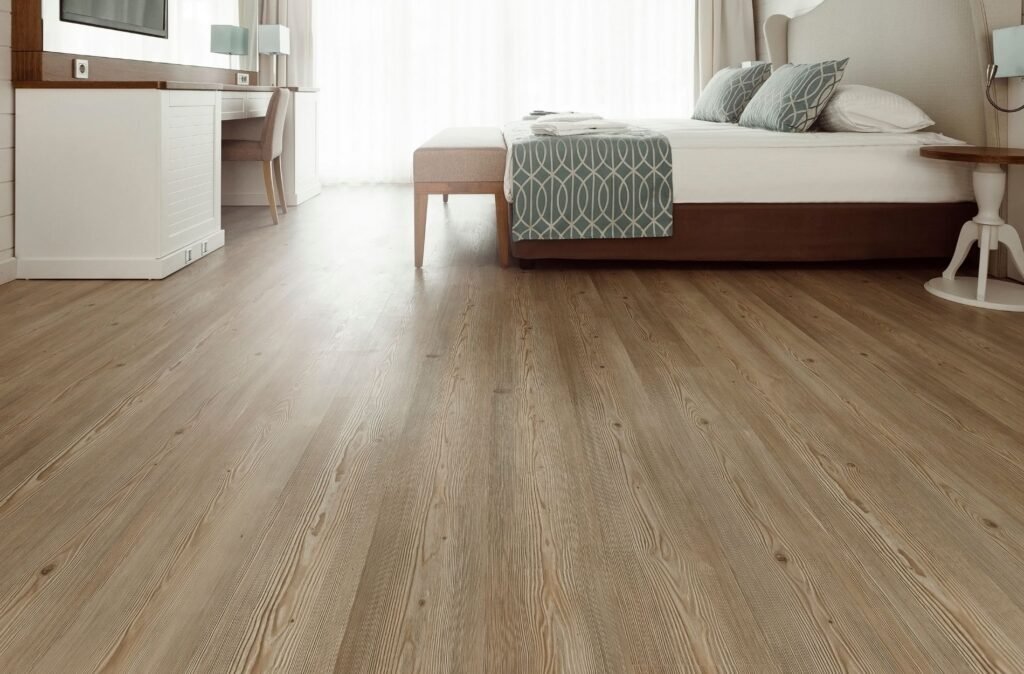
A wood flooring install can change the whole feel of a home. But there’s a pretty big gap between finding a style you like and making sure it works well in your space. Before anything is nailed down or snapped into place, all kinds of small decisions pile up. And if they’re rushed, things can get frustrating fast.
Right now, rooms may still be holding in cooler temperatures, and that makes late winter a helpful time for planning. It’s easier to look around your home and think about how wood might move, stretch, or respond to small shifts as warmer weather approaches. That alone can shape what you choose and when you install. Taking a beat to get familiar with what installation really involves makes the whole process smoother.
Check What’s Under Your Old Flooring
Before any boards go down, we need to know what’s already underfoot. The type and condition of your subfloor affect nearly every part of the job.
• If there’s damage, movement, or rot, it may need to be replaced or reinforced. This step gets skipped too often, and when it does, new floors wear unevenly or creak almost right away.
• Flooring height is another point most people don’t think about. Even a small difference can change how doors swing or how appliances fit. It can also leave gaps under baseboards or push them up too high.
• The material matters too. Concrete slabs, older plywood, or uneven layers all need different prep. Some may require leveling, sealants, or moisture barriers before new wood can be installed.
We always want to avoid surprises once the wood is already in the room. That’s why it helps to understand what’s going on below the surface first.
Pick the Right Wood for Your Space and Weather
Not all wood handles the seasons the same way. Your local climate and the way your home holds temperature make a big impact on how your flooring behaves over time.
• Solid wood tends to shift more with heat or moisture. It can work great in stable rooms, but we usually lean toward engineered wood if the space sees an increase in humidity during spring.
• Changes in weather, especially as we move from winter into the early months of the year, can lead to expansion or spaces between boards. Thinking ahead to how your room breathes helps avoid gaps or surface edges becoming uneven.
• Everyday use matters too. If the room gets heavy foot traffic or if kids and pets are around often, choosing a harder species or a more durable finish can help it last longer.
We always recommend matching the material to both the temperature conditions and how each room is used, especially with outdoor heat starting to return not too far off.
Plan for Interruptions and Timing
Setting expectations early makes the actual install less stressful. Even for one room, there are a few steps that can cause delays or changes to your routine.
• You’ll need to clear out furniture from the space being worked on. For bigger jobs, that might mean finding short-term spots for couches, tables, or stored items.
• Once new wood arrives, it may need to sit inside and adjust to the home. That way, the planks don’t swell or shrink once they settle in. This hold time can range from a few days to over a week depending on what you’ve picked.
• Materials can hit delays on their way from suppliers, or the calendar might fill quickly during a busy season. Giving yourself extra time to plan avoids rushing when small things shift.
Things don’t have to stop your life, but it helps to know that flooring installs aren’t instant projects. Good timing has a lot to do with good results.
Understand Maintenance Needs From Day One
Brand new floors always look great, but keeping them that way starts early. Wood needs a little more care, especially in the first few weeks.
• Stick to soft-bristle brooms or dry microfiber tools for cleaning. These are gentle on finishes and get up grit before it scratches.
• Skip wet mops or heavy water cleaners. Right after a wood flooring install, water can seep into joints or unsealed spots. Let things settle before going too deep with liquid cleaning.
• Shoes, pets, and strong sunlight can all change how a wood floor ages. High heels leave dents, claws can scuff, and heat near windows may cause fading if direct light isn’t filtered.
Building smart habits early helps wood adjust to its new home. The more you understand about how to care for it, the longer it’ll look sharp and feel good underfoot.
We Make Wood Flooring Preparation Simple
There’s more to think about than just style and wood type before committing to new flooring. From checking your current subfloor to choosing the right material for the season, every step plays a role in how well the job turns out. Good preparation keeps surprises small and delays short.
California Flooring Service, Inc specializes in professional wood and engineered wood floor installation, offering a wide selection of styles that suit Orange County homes of all ages. Our experienced team uses industry-standard prep techniques, moisture barriers, and top-quality finishes to make sure your floors look great and stay solid as the seasons change.
Whether you’ve had wood floors before or this is your first time thinking about one, getting clear info up front makes each decision easier. Timing a wood flooring install during cooler months means fewer moisture issues and a better read on how the boards will settle before the heat of spring rolls in.
Thinking about upgrading your space as the seasons change? We’re here to guide you every step of the way, from evaluating subfloors to choosing materials that fit your lifestyle and local climate. A well-timed wood flooring install adds both comfort and long-term value as spring approaches. At California Flooring Service, Inc, we make sure the process is clear and smooth from start to finish. Call us when you’re ready to get started.